AI-driven pentesting tools surge after ARTEX takedown
Cloudflare reports a thirty-fold increase in AI-powered penetration testing requests since October, driven by forks of the discontinued ARTEX framework.
The landscape of automated cyber attacks shifted dramatically in late 2026 as open-source artificial intelligence frameworks began targeting infrastructure at an unprecedented scale. Cloudflare observed a massive spike in autonomous scanning activity starting in early October, coinciding with the removal of a popular offensive security tool called ARTEX. This event triggered a proliferation of derivative tools that now threaten self-hosted environments and cloud tenants alike.
What happened
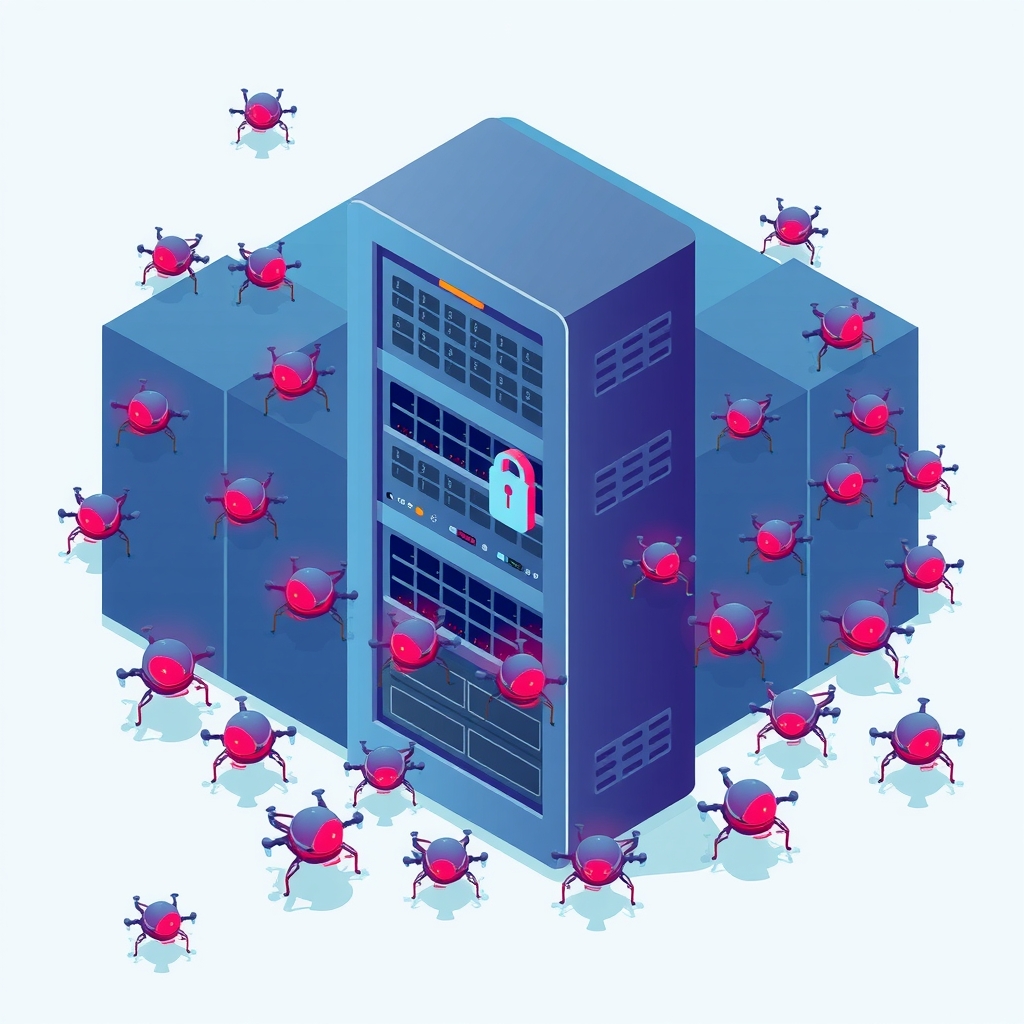
On October 8, the creator of ARTEX, known as Autumn-27, removed the original repository from public access. The developer stated that malicious exploitation of the tool contradicted its intended purpose for ethical security testing. Rather than stopping the threat, this takedown caused a hydra effect. In the weeks following, the ecosystem fragmented into over 12,000 repositories, with hundreds of unique forks maintaining lineage to the original code. These new versions are being actively developed and deployed by threat actors globally.
Cloudflare’s monitoring systems detected that daily requests from AI-driven penetration testing and exploitation tools grew by thirty times between October 1 and mid-November. The number of unique IP addresses associated with these frameworks expanded into the thousands. ARTEX and its direct forks now account for more than sixty percent of all known AI penetration testing orchestrators. This surge indicates that defensive teams are no longer facing isolated human hackers, but volumetric, autonomously guided attacks that operate continuously.
These frameworks do not merely scan for vulnerabilities; they orchestrate complex attack chains. By connecting standalone penetration testing utilities through Model Context Protocol interfaces, these agents can map environments, verify findings, and execute attacks in parallel. The speed of inference allows them to iterate through the traditional cyber kill chain faster than manual defenders can respond. Some advanced variants even chain stolen credentials to move laterally across networks, turning a single compromised token into broad environmental access.
Key details
- Daily requests from AI pentesting tools increased by 30x since October 1, 2026.
- Over 12,000 repositories related to ARTEX now exist, with hundreds of active unique forks.
- ARTEX and its derivatives constitute over 60% of currently tracked AI penetration orchestrators.
- Attackers are using static, non-expiring tokens in CI/CD pipelines to pivot between hyperscaler and customer environments.
- Observed attack speeds include over 69 requests per minute and hundreds of database dump attempts per hour.
- Five major autonomous frameworks are currently tracked, including LuaN1aoAgent, Decepticon, Cairn, and PentestGPT-Agent.
Background
To understand the threat, it helps to distinguish between traditional scanning and agentic orchestration. Traditional vulnerability scanners run predefined checks against a list of targets. They are linear and limited by the rules written by their developers. In contrast, Large Language Model (LLM) penetration testers act as autonomous agents. They observe the target environment, orient themselves to find high-value assets, decide on an action, and execute it without human intervention. This cycle, known as the OODA loop, happens at machine speed.
These agents use a graph-based approach to map out goals, leads, and findings. If one path is blocked, the agent automatically tries another. They can install tools, develop custom scripts, and manage multiple parallel tasks. This capability transforms cybersecurity from a contest of skill into a contest of scale and speed. A single operator can now direct an army of agents to target multiple organizations simultaneously, vastly increasing the potential damage of any single credential leak.
Why it matters
For teams running self-hosted software or managing internal infrastructure, this shift renders many legacy defenses obsolete. Traditional perimeter security assumes that attacks come from outside and move slowly. AI orchestrators break this assumption by moving laterally inside the network once initial access is gained. If your team uses static API keys for continuous integration pipelines, those keys become high-value targets. An AI agent can use a compromised key to explore your entire cloud environment, accessing databases and internal services that were never meant to be exposed.
The volume of noise generated by these tools also creates operational fatigue. With thousands of IPs sending rapid, varied requests, standard firewalls may struggle to distinguish between legitimate traffic and aggressive reconnaissance. Without advanced anomaly detection, security teams may miss the subtle signs of an ongoing breach until data exfiltration has already occurred. The speed at which these agents validate exploits means that window for patching vulnerabilities is shrinking from days to minutes.
Furthermore, the fragmentation of these tools makes signature-based detection difficult. Because there are thousands of forks with slight code variations, blocking one specific IP or user agent string is ineffective. Defenders must adopt a model that focuses on behavior and identity rather than just network location. This requires a fundamental change in how access controls are implemented, moving toward zero-trust architectures where every request is verified regardless of its origin.
What you can do
- Implement a Web Application Firewall with strict rate limiting to block volumetric scanning and brute-force attempts.
- Replace static API tokens with short-lived, scoped credentials for all CI/CD pipelines and internal services.
- Enable bot defense mechanisms that challenge suspicious traffic patterns, such as rigid cadence or headless browser signatures.
- Enforce identity-gated access for all administrative interfaces, ensuring that internal endpoints are not visible to the public internet.
- Validate all incoming API requests against strict schemas to reject malformed or unexpected payloads immediately.
- Monitor for anomalous lateral movement by tracking unusual access patterns between internal services and databases.
The rise of autonomous AI attackers demands a proactive stance. Teams must assume that credentials will eventually leak and design systems that limit the blast radius of such events. By focusing on identity, segmentation, and behavioral analysis, organizations can withstand the pressure of automated, large-scale exploitation attempts.