Atlassian zero-day exploited within hours as certificate hijacks hit major brands
Attackers targeted a critical Atlassian flaw just two hours after disclosure, while rogue HTTPS certificates compromised trust for Google and other global services.
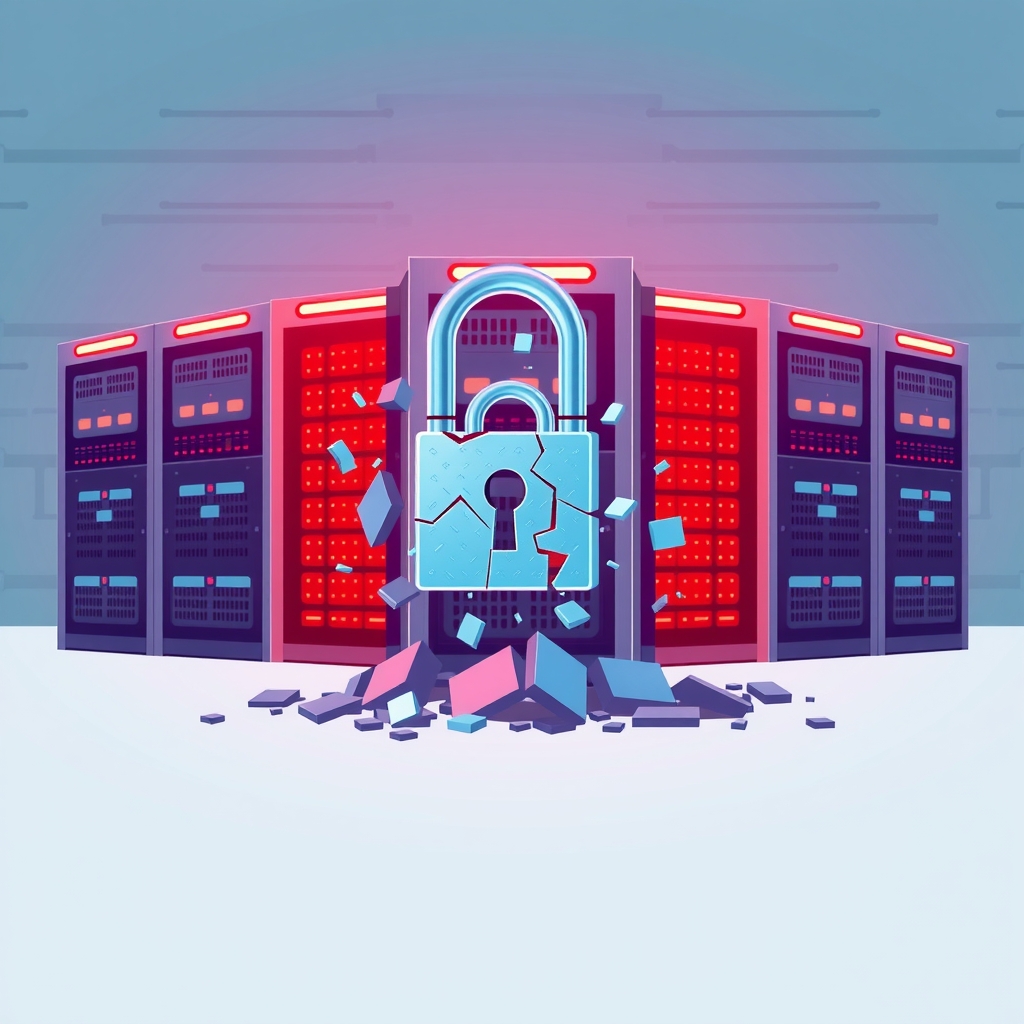
Threat actors began exploiting a critical vulnerability in Atlassian Data Center products within hours of its public disclosure this week. Simultaneously, unknown attackers hijacked country-code top-level domains to issue unauthorized HTTPS certificates for Google and other major organizations, undermining the fundamental trust model of secure web connections.
What happened
The security community faced a rapid escalation in active exploitation following the release of technical details for CVE-2026-21589. This arbitrary file access flaw, which carries a CVSS score of 9.3, affects a wide range of Atlassian self-hosted products including Bitbucket, Confluence, Jira Service Management, Jira Software, Bamboo, Crowd, Crucible, and Fisheye. According to reports, malicious scanning and exploitation attempts against honeypot networks started merely two hours after the security firm watchTowr published additional technical specifics about the vulnerability. This timeline highlights the shrinking window between vulnerability disclosure and active weaponization.
In a separate but equally concerning development, Google revealed that threat actors had compromised third-party operators managing authoritative DNS records for several country-code top-level domains (ccTLDs). Specifically, the domains for Ghana (.gh), American Samoa (.as), and Sierra Leone (.sl) were hijacked. Attackers used this access to modify DNS records and obtain unauthorized HTTPS certificates for multiple Google domains, as well as domains belonging to other leading global brands and widely used online services. Google mitigated the issue by blocking the unauthorized certificates through its CRLSets mechanism, but the incident demonstrates how supply chain weaknesses in domain infrastructure can bypass traditional TLS security.
Key details
- CVE-2026-21589: A critical arbitrary file access vulnerability in Atlassian Data Center products with a CVSS score of 9.3.
- Rapid exploitation: Attackers began targeting the Atlassian flaw just two hours after technical details were released by watchTowr.
- Affected Atlassian products: Bitbucket, Confluence, Jira Service Management, Jira Software, Bamboo, Crowd, Crucible, and Fisheye Data Center versions.
- Certificate hijacking: Unauthorized HTTPS certificates were issued for Google and other brands via compromised ccTLDs for .gh, .as, and .sl.
- Mitigation: Google blocked the rogue certificates using CRLSets; Atlassian users must patch immediately to prevent file access.
- Other notable arrests: The FBI arrested Edward Dubrovsky, a suspected co-conspirator of the ShinyHunters group, marking the third arrest in the investigation.
Background
To understand the severity of the certificate hijacking, it is helpful to review how HTTPS trust works. When you visit a secure website, your browser checks the site's TLS certificate to ensure it is valid and issued by a trusted Certificate Authority (CA). This process relies on the Domain Name System (DNS) to correctly map the domain name to the server's IP address. If an attacker compromises the DNS records for a domain, they can redirect traffic to their own servers. By controlling the DNS, they can also satisfy the validation checks required by CAs to issue a legitimate-looking certificate for that domain. This creates a scenario where a user sees a valid padlock icon in their browser, but the connection is actually terminated at the attacker's infrastructure, allowing them to intercept or modify data.
The Atlassian vulnerability represents a different class of risk common in self-hosted environments. Arbitrary file access flaws allow attackers to read files on the server that should be restricted. In the context of tools like Confluence or Bitbucket, this could mean accessing configuration files containing database credentials, API keys, or sensitive internal documentation. Because these products are often exposed to the internet for remote team access, they are high-value targets for automated scanners that look for unpatched instances.
Why it matters
For teams running self-hosted software, the speed of exploitation for CVE-2026-21589 is a stark reminder that patching delays are no longer a manageable risk. The two-hour window between disclosure and active exploitation means that security teams cannot wait for weekly maintenance cycles to apply critical updates. If your organization uses any of the affected Atlassian Data Center products, you are likely already being scanned. Failure to patch immediately could result in unauthorized access to sensitive intellectual property or customer data stored within these platforms.
The certificate hijacking incident underscores the fragility of trust in the broader internet infrastructure. Even if your internal systems are secure, your external-facing services rely on the integrity of domain registries and certificate authorities. While individual companies cannot directly control ccTLD operators, this event highlights the importance of monitoring certificate transparency logs. Detecting unauthorized certificates early can help mitigate man-in-the-middle attacks before they cause significant damage to user trust or data confidentiality.
What you can do
- Patch Atlassian products immediately: Apply the latest security updates for Bitbucket, Confluence, Jira, Bamboo, Crowd, Crucible, and Fisheye Data Center to address CVE-2026-21589.
- Monitor certificate transparency logs: Use tools to watch for unauthorized SSL/TLS certificates issued for your domains, especially if you operate in regions with less secure ccTLD management.
- Audit DNS security: Ensure your domain registrars and DNS providers have strong multi-factor authentication and access controls to prevent unauthorized record changes.
- Review file permissions: Check your self-hosted applications for overly permissive file access settings that could exacerbate vulnerabilities like arbitrary file reads.
- Verify vendor integrity: Be cautious when engaging third-party recovery services, given recent charges against ransomware recovery firms for fraud.
- Update all dependencies: Review the list of trending CVEs for other software in your stack, including Dell System Update, Google Chrome, and Elasticsearch, and apply patches as needed.