The rising operational cost of self-hosting in an AI-driven vulnerability landscape
A recent surge in CVEs and supply chain attacks is driving some operators to reconsider self-hosting in favor of managed SaaS solutions.
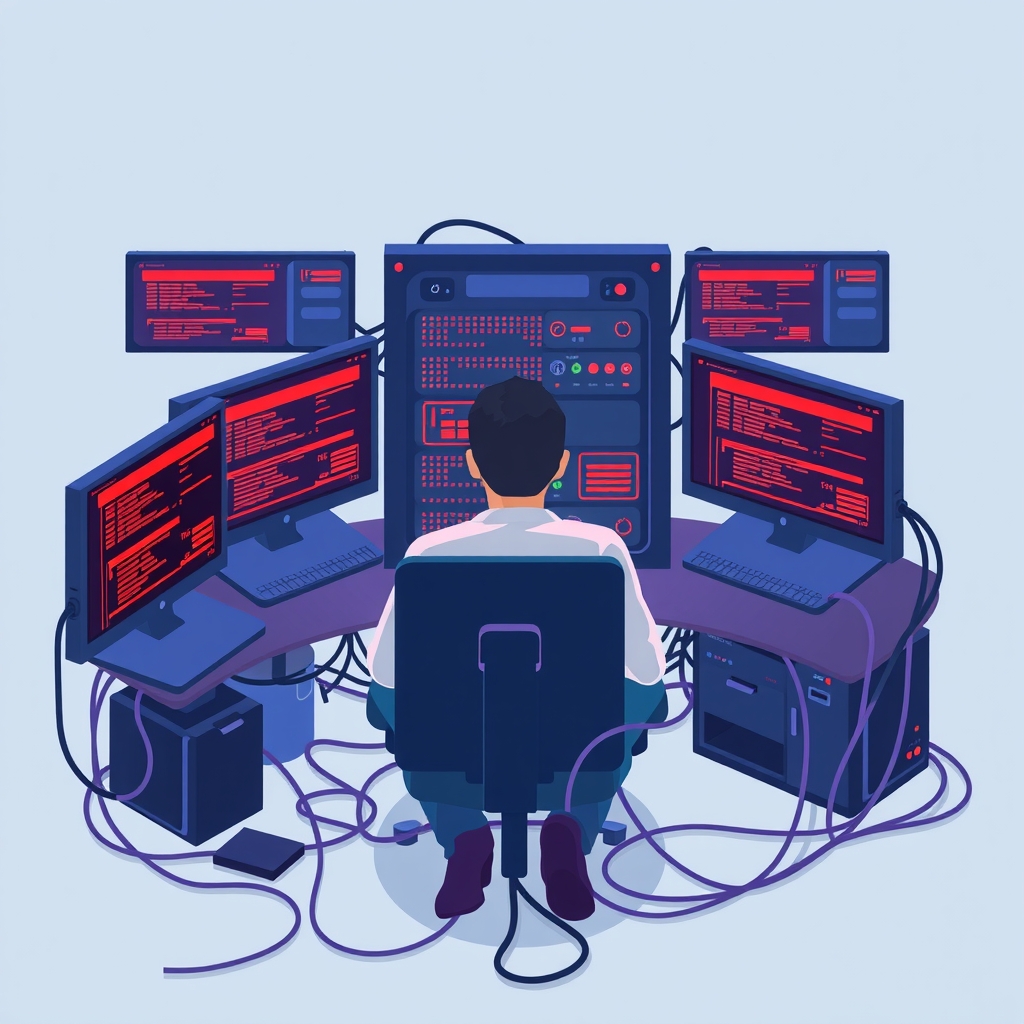
A developer recently detailed the exhausting reality of maintaining self-hosted infrastructure amid a rapid increase in security vulnerabilities. Published on October 24, 2026, the account highlights how recent PHP and Node.js security releases forced days of urgent patching, leading the author to consider migrating back to Software as a Service (SaaS) platforms.
What happened
The incident began with a critical vulnerability in PHP, prompting the operator to update multiple self-hosted services running in Docker containers. The process was far from straightforward. Official images on Docker Hub were not immediately updated with the fix, and when they were, some versions failed to function correctly. The operator had to manually bump base images in maintained Dockerfiles, rely on third-party repositories like Sury’s for timely apt package updates, or wait for project-specific image releases. This patching cycle consumed significant time and delayed service availability.
Compounding the fatigue, Node.js released its own security updates shortly after, requiring another round of audits and deployments. The situation escalated when the operator discovered that LiteLLM, a tool they used, had been compromised for the second time that year. This supply chain attack necessitated an overnight effort to audit systems and rotate encryption keys. The cumulative stress of managing these disparate security events led the author to question the viability of self-hosting for individual operators or small teams without dedicated DevOps staff.
Key details
- Vulnerability volume: Published CVE records for Q2 2026 reached 20,709, nearly double the 11,701 recorded in the same period of 2025.
- Specific threats: The operator dealt with PHP vulnerabilities, Node.js security releases (including CVE-2026-111497), and a supply chain compromise of LiteLLM.
- Patch delays: Docker Hub images often lag behind official security fixes, forcing manual intervention in Dockerfiles or reliance on third-party package repos.
- AI impact: The use of LLMs by attackers and researchers has accelerated vulnerability discovery, flooding maintainers with reports and increasing the pace of required responses.
- Maintainer burnout: High-profile figures like Linus Torvalds have noted that security mailing lists are becoming unmanageable due to the volume of AI-generated reports.
- SaaS comparison: Managed providers like Cloudflare and Automattic deployed Web Application Firewall (WAF) rules and patches before many self-hosters could even begin their update cycles.
Background
Self-hosting involves running software on your own servers rather than relying on a third-party provider. While this offers data sovereignty and control, it shifts the entire burden of security maintenance to the operator. This includes monitoring for vulnerabilities, testing patches, updating dependencies, and ensuring service availability. In contrast, SaaS providers manage these tasks centrally, leveraging dedicated security teams and automated infrastructure to respond to threats at scale.
The current landscape is complicated by the widespread use of Large Language Models (LLMs). While LLMs help developers write code, they also enable attackers to find vulnerabilities faster and generate high volumes of low-quality bug reports, known as "AI slop." This noise makes it harder for open-source maintainers to identify genuine threats, slowing down the release of official fixes. For self-hosters, this means longer exposure windows between vulnerability disclosure and the availability of stable, patched software.
Why it matters
For small companies and individual developers, the time cost of security maintenance is becoming prohibitive. The article illustrates that fixing a vulnerability is only the first step; operators must then wait for upstream releases, verify container integrity, and deploy updates across multiple services. This process is error-prone and stressful, especially when dealing with supply chain attacks like the LiteLLM poisoning, which require immediate key rotation and deep system audits. The risk of downtime or data breach increases when operators are overwhelmed by the frequency of alerts.
Moreover, the disparity in resources between self-hosters and large SaaS providers is widening. Cloud vendors have 24/7 on-call engineers, access to private security mailing lists, and the compute power to test patches extensively before deployment. They can also mitigate zero-day exploits using WAF rules before official patches are released. Self-hosters lack these advantages, leaving them vulnerable during the critical window between exploit discovery and patch application. This dynamic is pushing some operators to accept the trade-offs of centralized SaaS in exchange for reliability and peace of mind.
What you can do
- Audit your stack: Identify services that do not require public access and move them behind a VPN or private network using tools like Tailscale or WireGuard.
- Reduce surface area: Replace complex, high-maintenance applications with simpler alternatives or managed services where possible, such as moving file storage to Backblaze.
- Automate monitoring: Implement automated checks for certificate expiry, domain registration status, and service uptime to catch issues before they cause outages.
- Prioritize updates: Focus on critical infrastructure components first and establish a routine for checking upstream security advisories rather than reacting to every alert.
- Evaluate SaaS options: For non-core business functions, consider migrating to reputable SaaS providers that offer strong security SLAs and transparent incident reporting.
- Isolate critical services: Use containerization and network policies to limit outbound traffic from sensitive applications, reducing the impact of potential compromises.