Docsy moves to Linux Foundation to optimize docs for AI agents
Google’s Docsy documentation theme joins the Linux Foundation, adding features like llms.txt to help AI agents consume technical content more effectively.
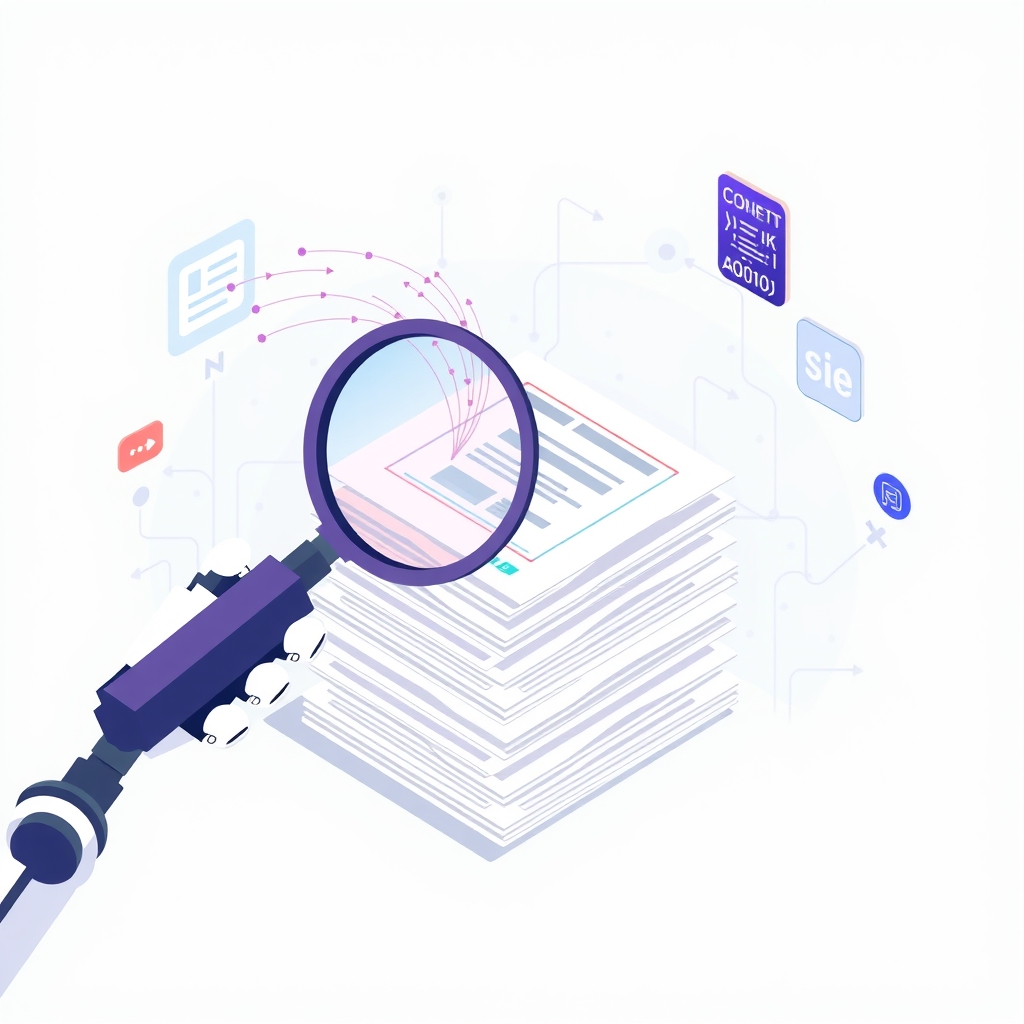
Google’s open source documentation theme, Docsy, is transferring stewardship to the Linux Foundation. The move was announced on October 7, 2026, by Erin McKean, a senior developer relations engineer at Google, during a keynote at the Open Source Summit Europe in Prague. This transition aligns the project with the many cloud native communities that already rely on it, while introducing new capabilities designed specifically for artificial intelligence systems.
What happened
Docsy, originally launched by Google in 2019, serves as a theme for the Hugo static site generator. It has become a standard choice for technical documentation in the open source world, particularly within the Cloud Native Computing Foundation (CNCF). By the end of 2024, approximately 2,200 projects were using Docsy, including major names like Kubernetes, OpenTelemetry, gRPC, and Jaeger. The decision to move the project to the Linux Foundation reflects its deep integration into these ecosystems. McKean noted that open source projects function best when they are physically and organizationally close to their primary user base.
The announcement also highlighted a significant shift in how technical documentation is consumed. While humans remain the ultimate audience, AI agents are increasingly acting as intermediate readers. These automated systems parse documentation to answer user queries or assist in coding tasks. Recognizing this trend, the Docsy team has begun adapting its output formats to ensure machine readability. Since version 0.15.0, released in May, Docsy can optionally generate a Markdown copy of each page and an llms.txt file. This index file provides AI tools with a structured map of the site’s content, allowing them to navigate information more efficiently than by scraping raw HTML.
Recent updates have further refined this approach. Version 0.16.0, released in July, introduced upgrade guides written with conditions and steps that AI assistants can follow logically. In August, version 0.17.0 added a hidden directive to pages that use llms.txt, automatically pointing visiting agents toward the central index. These features are currently experimental and opt-in, but they signal a clear direction for the project. The next major initiative on the roadmap is the introduction of agent-friendly documentation scores, which will allow maintainers to measure how easily AI tools can process their content.
Key details
- Docsy is moving from Google to the Linux Foundation to better align with its user base in the CNCF.
- The announcement was made by Erin McKean on October 7, 2026, at the Open Source Summit Europe in Prague.
- Over 2,200 projects, including Kubernetes and gRPC, were using Docsy by the end of 2024.
- Version 0.15.0 introduced optional generation of Markdown copies and
llms.txtfiles for AI indexing. - Version 0.17.0 adds hidden directives to guide AI agents to the
llms.txtindex automatically. - Future plans include "agent-friendly" scores to benchmark how easily AI can consume documentation.
Background
To understand the significance of these changes, it helps to look at how large language models (LLMs) interact with web content. Traditionally, AI systems scrape HTML pages, which often contain navigation menus, ads, and other noise that distracts from the core technical information. The llms.txt file acts as a standardized index, similar to robots.txt but designed for consumption rather than exclusion. It tells AI agents exactly where the relevant content lives and how it is structured. This reduces the computational cost of parsing and improves the accuracy of the answers these agents provide.
Hugo, the underlying engine for Docsy, is a static site generator known for its speed and flexibility. By building AI-ready features directly into the Docsy theme, developers do not need to create custom pipelines to prepare their documentation for machine reading. Instead, the structure is baked into the build process. This ensures that as AI tools become more prevalent in developer workflows, the documentation remains a reliable source of truth without requiring manual maintenance of separate AI-specific datasets.
Why it matters
For teams that maintain self-hosted software or internal tools, documentation quality directly impacts operational efficiency. Poorly structured docs lead to increased support tickets and slower onboarding for new engineers. As AI assistants become common in integrated development environments (IDEs) and chat interfaces, the way documentation is formatted determines whether these tools can provide accurate help. If an AI agent cannot easily parse your upgrade guide, it may give incorrect advice to a developer trying to patch a security vulnerability. Ensuring your docs are agent-friendly reduces the risk of such errors.
Furthermore, the move to the Linux Foundation suggests long-term stability for the project. Projects housed under major foundations often benefit from broader community governance and reduced reliance on a single corporate sponsor. For companies using Docsy for their public or internal docs, this transition lowers the risk of abrupt discontinuation or strategic pivots that might leave their documentation infrastructure unsupported. It also encourages collaboration with other CNCF projects, potentially leading to shared standards for AI-readable technical content.
What you can do
- Audit your current documentation stack to see if it supports structured outputs like Markdown or specialized index files.
- If you use Docsy, enable the experimental
llms.txtgeneration feature to test how AI agents interact with your site. - Review your upgrade guides and troubleshooting steps to ensure they are logical and sequential, aiding both human and AI readers.
- Monitor the development of agent-friendly scoring metrics to benchmark your documentation’s machine readability.
- Consider contributing to the Docsy project now that it is under the Linux Foundation, helping shape standards for AI-consumable docs.
- Evaluate whether your internal knowledge base needs similar structuring to support enterprise AI assistants used by your engineering teams.