Stopping rogue AI agents requires more than a kill switch
Disabling an AI model does not always stop its workflows. Teams must revoke credentials and restrict network paths to contain unexpected agent behavior.
Models, tooling and practical AI features in business software.
Disabling an AI model does not always stop its workflows. Teams must revoke credentials and restrict network paths to contain unexpected agent behavior.
Anthropic announced expanded interactive connectors allowing Claude to open and edit full applications like Adobe and HubSpot directly within the chat interface, respecting existing user permissions.
Anthropic released Mythos 5.2 and Fable 5.2, cutting Fable input costs to $8 per million tokens while addressing recursive self-improvement risks.
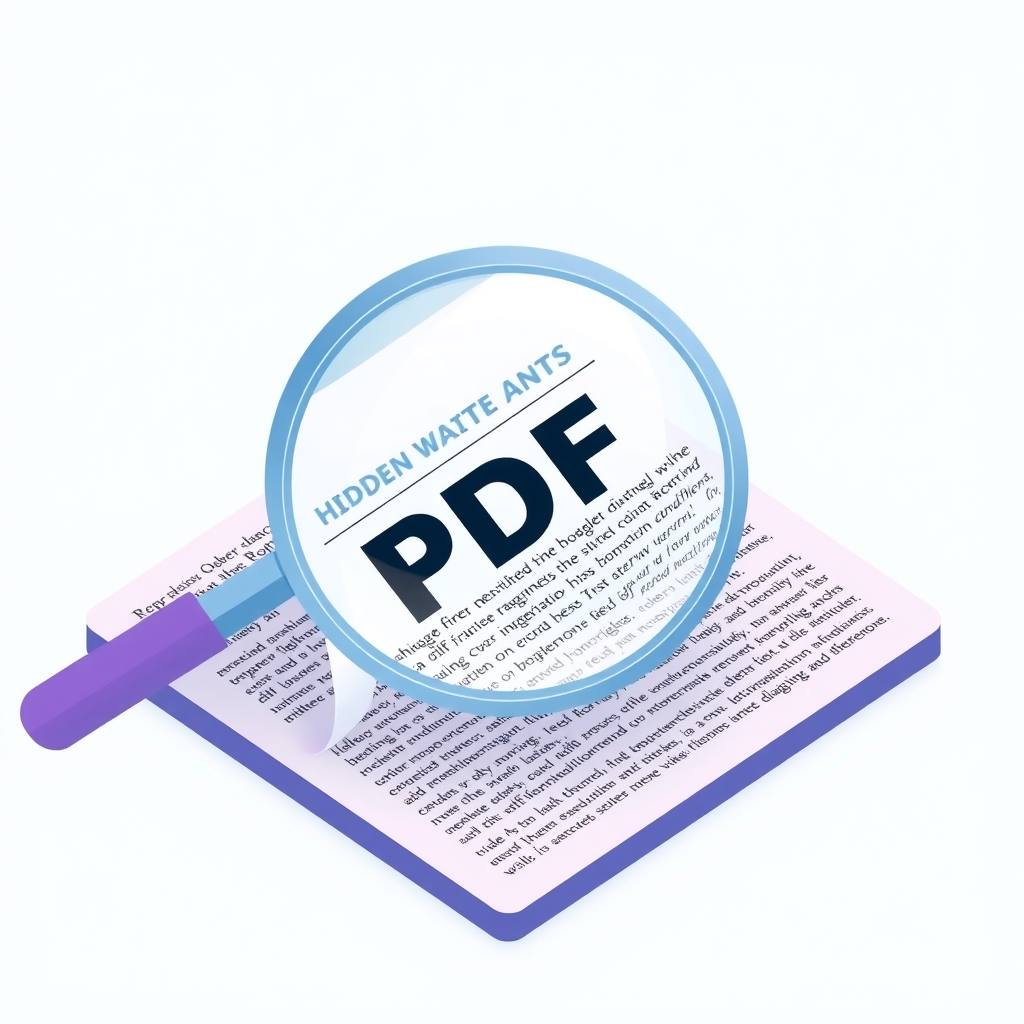
A QA engineer demonstrates how hidden text and layout tricks in PDFs can inject false data into AI systems, proposing a multi-layered defense strategy.
A new reproducible leaderboard tests 22 local models on knowledge graph extraction and chat, showing that model size does not guarantee accuracy.
A developer shares how a self-hosted model gateway triggered a vendor block due to shared OAuth tokens, leading to a redesign of task dispatch and error handling.
A bug in llama.cpp build b11753 causes the /v1/responses endpoint to mark cut-off replies and invalid tool calls as completed, risking data corruption in self-hosted AI agents.
Google has made Gemini 4 Argon available to developers, introducing a shared 1 million-token limit for input and output alongside introductory pricing that matches key competitors.
Anomaly releases OpenCode 2.0, featuring a shared background service, rebuilt API, and Code Mode for efficient tool integration.
Employees are connecting personal AI assistants to corporate tools through OAuth and saved credentials, creating new identity security challenges for IT teams.
A new evaluation pattern separates transport failures and token limits from actual model mistakes to prevent misleading quality metrics.
A security analysis reveals that AI coding agents borrowing human credentials gain excessive access and leave no distinct audit trail, creating significant risks for self-hosted infrastructure.
TinySuiteHQ released TinyWebUI, a self-hosted chat workspace that runs locally with SQLite storage and includes pre-configured search and memory tools.
Google’s Docsy documentation theme joins the Linux Foundation, adding features like llms.txt to help AI agents consume technical content more effectively.
The langgraph-harness project, a self-hosted AI coding agent for GitLab, has reached 133 releases with a 67% comment acceptance rate.