OpenClear: API-first positive pay system with robust bulk import
GitHub project OpenClear offers a self-hosted positive pay system with multi-bank support, featuring secure bulk imports for checks, ACH, and accounts.
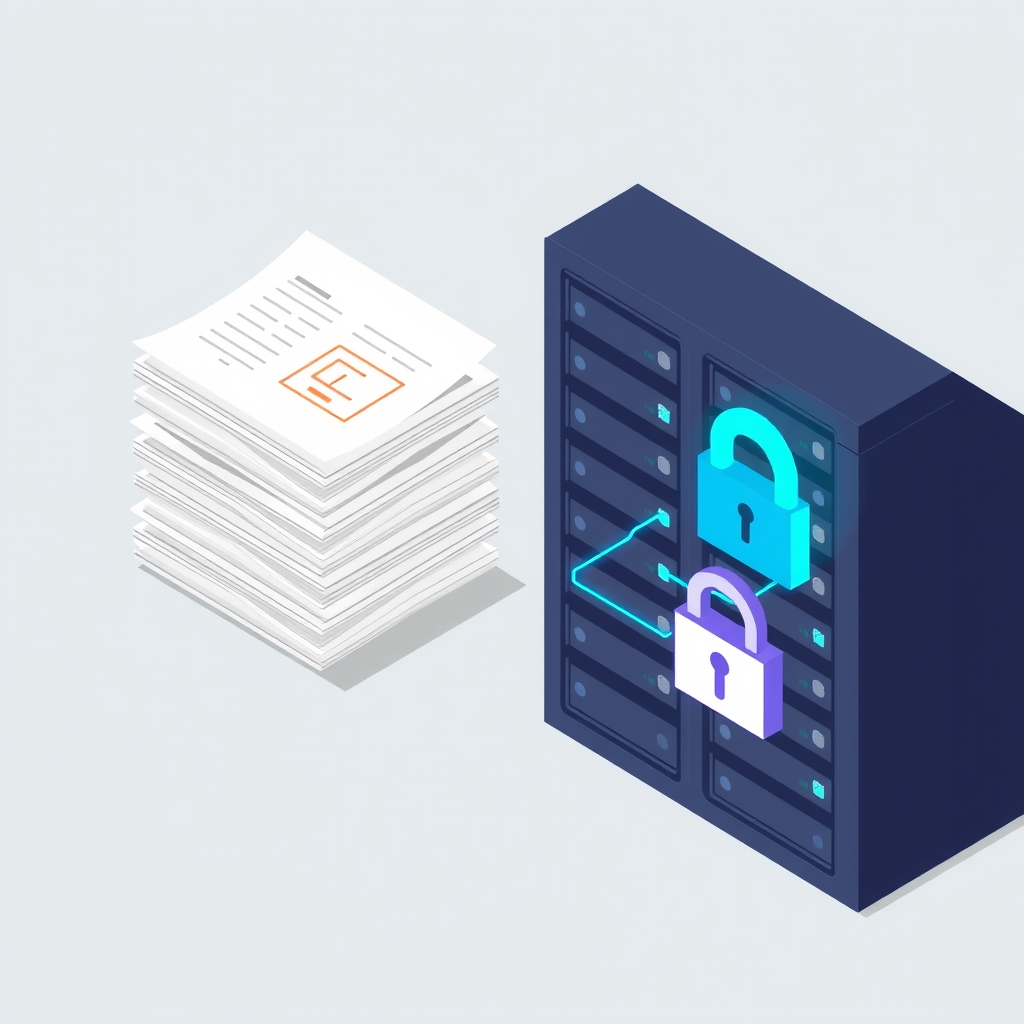
The open-source project OpenClear has released a new version of its positive pay system, designed specifically for financial institutions and enterprises managing their own banking operations. Published on GitHub in October 2026, this API-first platform supports multiple banks as tenants and emphasizes secure, high-volume data ingestion. The system allows organizations to process issued items, presented checks, and ACH transactions through a unified interface while maintaining strict audit trails.
What happened
OpenClear introduces a comprehensive suite of tools for handling bulk financial data, addressing the common pain point of migrating or updating large datasets in banking software. The system accepts various file formats including CSV, Excel, and standard NACHA files for ACH transactions. It features a robust import engine that processes files in the background, ensuring that the user interface remains responsive even during heavy loads. Each upload is validated row by row, allowing partial success where valid entries are processed while invalid ones are flagged with specific error messages.
The architecture prioritizes security and auditability. Every file submitted to the system is stored with a SHA-256 fingerprint and an ECDSA P-256 signature. This ensures that the original data can be verified at any time, detecting any tampering after upload. The system also supports complex check image imports via ZIP archives or X9.37 cash letter files, automatically converting images to PNG for consistent downstream processing. These features are built into a self-hosted application that runs on SQLite for quick starts or PostgreSQL for production environments.
Key details
- Multi-format support: Accepts CSV, Excel, NACHA, ZIP, and X9.37 files for bulk imports of accounts, items, and transactions.
- Background processing: Imports run as background jobs, committing in chunks of 1,000 rows to prevent memory issues and allow resumption.
- Audit integrity: All uploaded files are signed and hashed, with verification occurring on every access to detect post-upload tampering.
- Row-level validation: Individual rows are validated independently, so one bad record does not fail the entire batch.
- Image normalization: Check images from various formats are converted to PNG upon import to ensure compatibility with OCR and viewing tools.
- Reversibility: Bulk uploads can be backed out, reversing created items or deactivating users, though some actions like account creation are record-only.
Background
Positive pay is a fraud prevention service used by banks and corporations. It involves comparing checks presented for payment against a list of checks previously issued by the account holder. If a check is presented that does not match the issued list, it is flagged as an exception. This process helps prevent counterfeit or altered checks from being paid. OpenClear automates this comparison and provides tools for managing exceptions.
Self-hosting such systems gives organizations control over their sensitive financial data. Instead of relying on third-party processors who may have limited transparency, companies can run the software on their own infrastructure. This requires robust tools for data ingestion, as financial records often come in legacy formats or large batches from core banking systems. The ability to handle these imports securely and efficiently is critical for operational continuity.
Why it matters
For teams running their own financial software, data migration and daily bulk updates are significant operational risks. Poorly handled imports can lead to data corruption, missing records, or security vulnerabilities. OpenClear’s approach to background processing and row-level validation reduces the risk of total batch failures. This means that if a single row in a thousand-row file has an error, the other 999 rows are still processed. This granularity saves time and reduces the need for manual re-submission of large datasets.
The emphasis on audit trails and file signing addresses compliance requirements. Financial institutions must prove the integrity of their data. By storing signed copies of every uploaded file and verifying them on access, OpenClear provides a defensible record of what data was entered and when. This is crucial for internal audits and regulatory reviews. The ability to back out bulk uploads further enhances operational safety, allowing administrators to correct mistakes without complex database manipulations.
What you can do
- Test the quickstart setup using the provided scripts for macOS, Windows, or Linux to evaluate the UI and API.
- Review the bulk import documentation to understand supported file formats and column requirements for your data.
- Configure the system to use PostgreSQL for production deployments to leverage row-level security and scalability.
- Implement the file signing feature by generating and securing the ECDSA private key for your deployment.
- Use the background job monitoring tools to track the progress of large imports and identify recurring validation errors.
- Evaluate the reversibility features to determine which bulk operations can be safely undone in your workflow.