Google's EmbeddingGemma 2 unifies multimodal search in a tiny on-device model
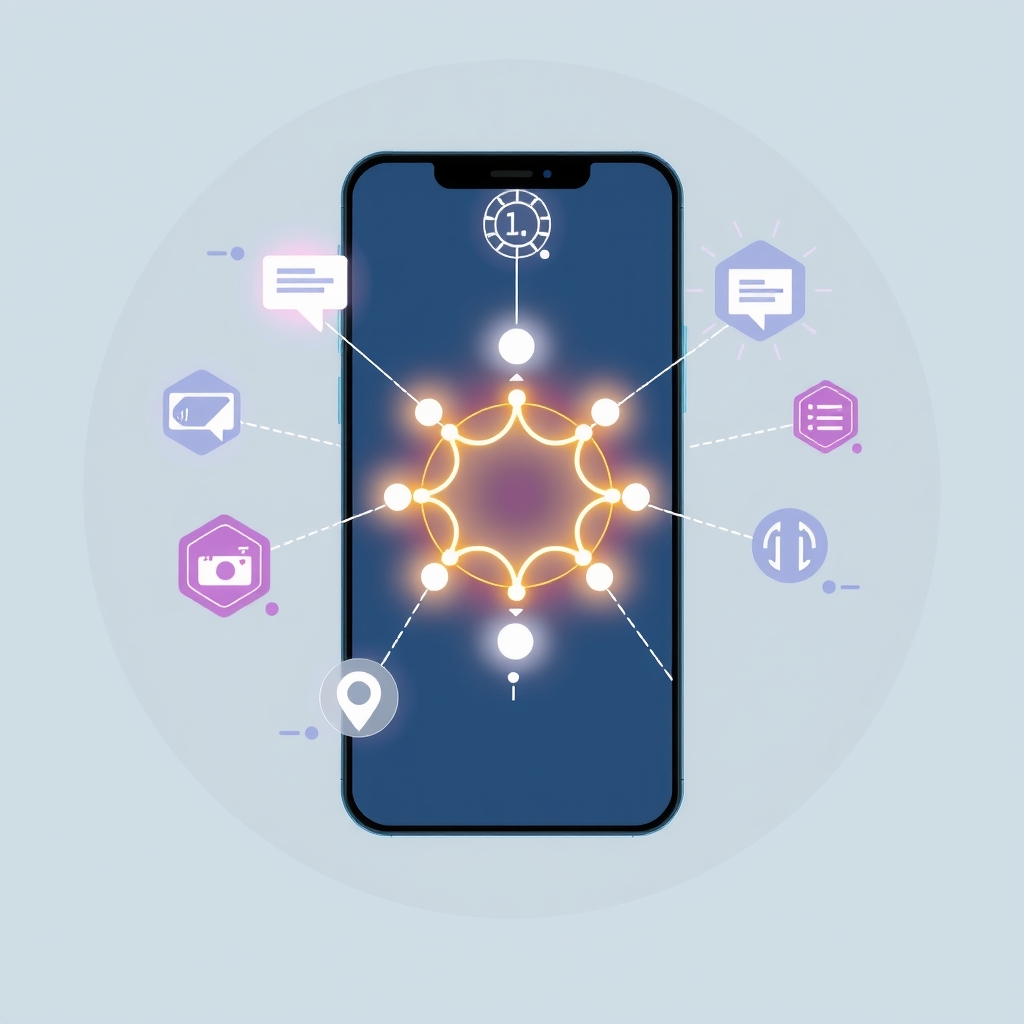
Google released EmbeddingGemma 2, an open 740M-parameter model that maps text, code, images, video and audio into one vector space for efficient local retrieval.
Models, tooling and practical AI features in business software.
Google released EmbeddingGemma 2, an open 740M-parameter model that maps text, code, images, video and audio into one vector space for efficient local retrieval.
A practical guide to managing the four most frequent on-call incidents for self-hosted LLM gateways, focusing on detection, assessment, and resolution.
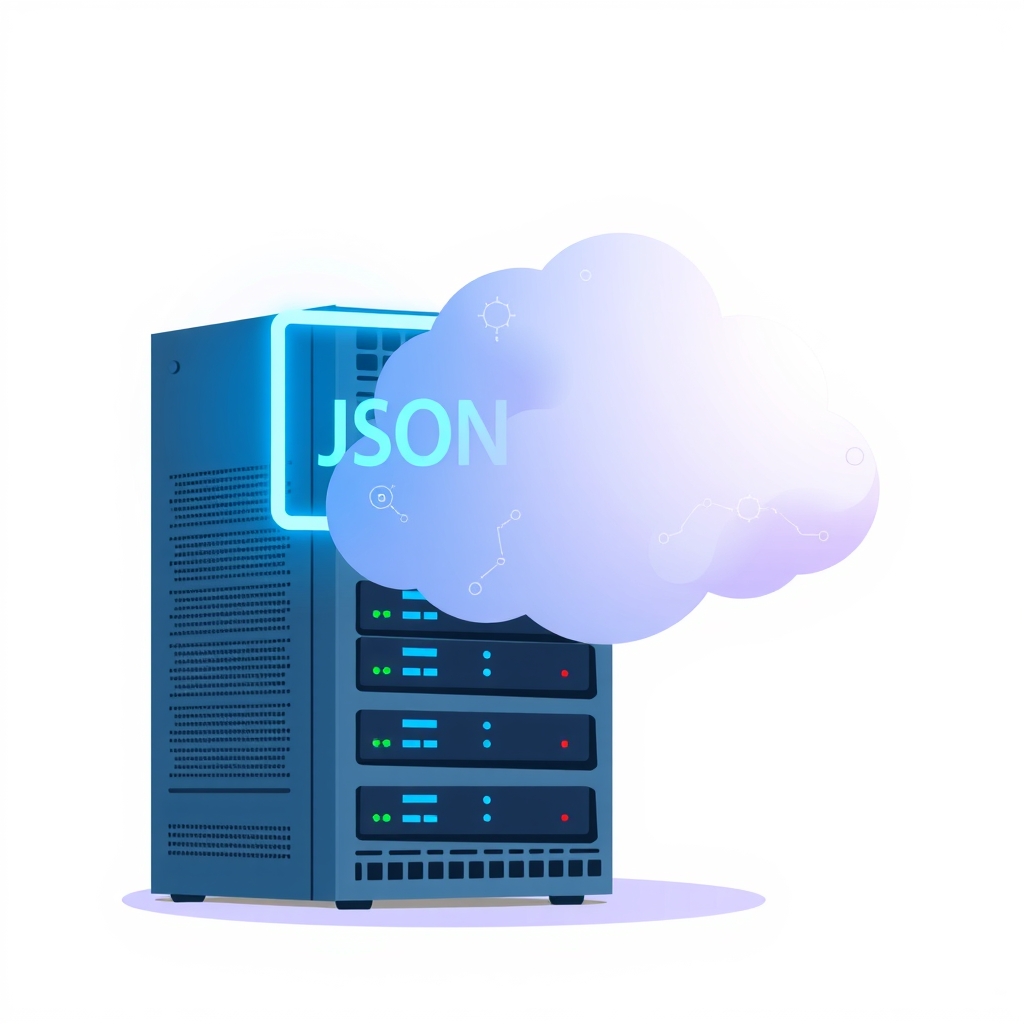
Ollama versions since 0.34.4 fail to enforce JSON schemas on thinking models that skip the reasoning step, returning unstructured text with HTTP 200.
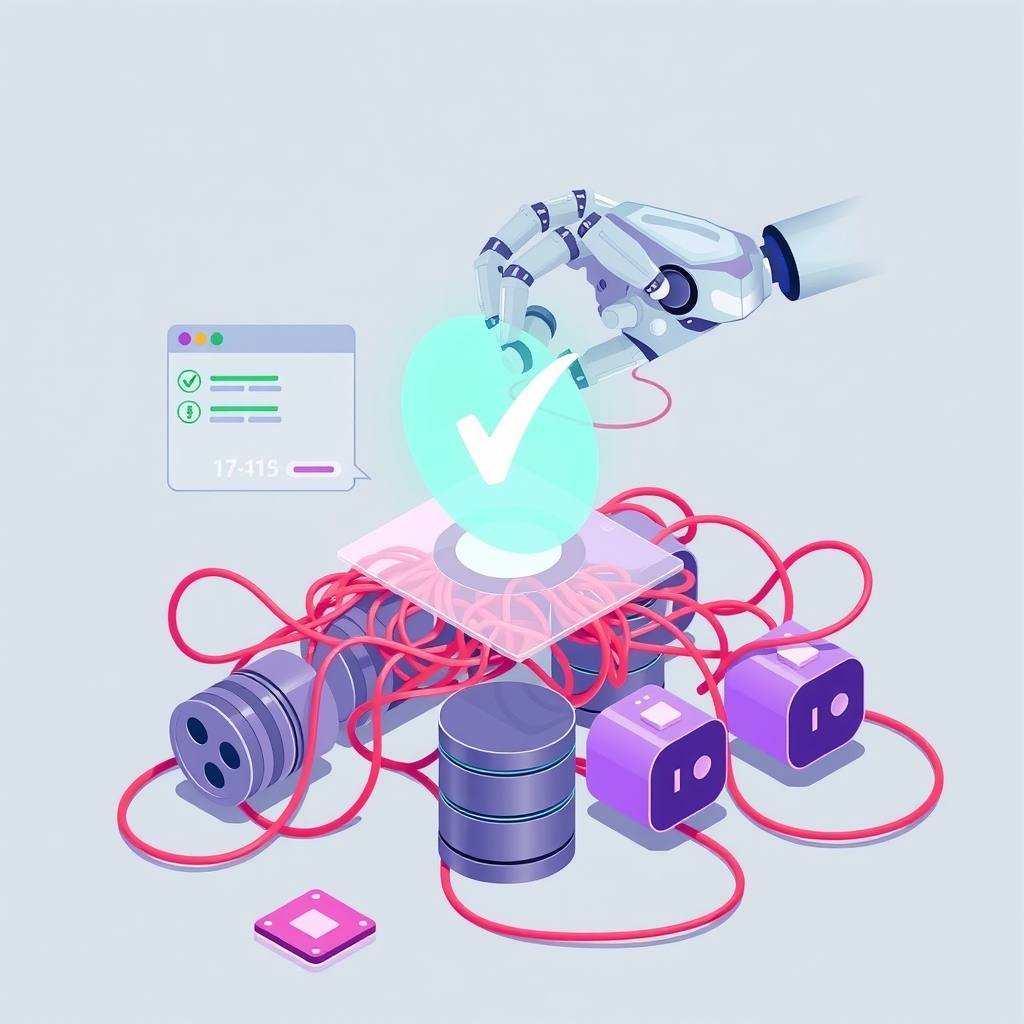
Microsoft and Hugging Face released ThinkingBox, a framework that evaluates AI agents by verifying their final database records rather than their conversational logs.
Aleph Alpha launched Kolibri, an open-weight mixture-of-experts model trained in Europe. It prioritizes data sovereignty and efficient German language processing for self-hosted deployments.
A new benchmark reveals that AI agents often report success while leaving incorrect database records, highlighting a gap between tool calls and actual outcomes.
An oil and gas operator in Pakistan deployed a fully self-hosted AI stack to predict safety incidents without sending data to the cloud.
Five open source projects replicate TypeSafe's Jev interface for self-hosted AI decisions, offering lower latency and cost but varying accuracy compared to the hosted original.
OpenClaw Enterprise launches as an open-source control plane for managing persistent AI agents, backed by OpenAI, Nvidia, and Red Hat.
A new open-source gateway intercepts AI agent actions, enforcing rules and requiring human approval for risky operations like database changes or payments.
Chaos Cypher introduces an MCP server that lets Claude Code extract and validate knowledge graphs using only client-side models, removing the need for GPU-heavy local servers.
The Carbonato botnet targets unauthenticated Docker daemons to deploy Hermes AI agents, enabling automated credential theft and lateral movement via Telegram.
A new open-source tool runs 23 AI detectors locally, offering transparent scoring for text and websites without sending data to third parties.