Docker homelab pitfalls: disk space, logs, and config drift
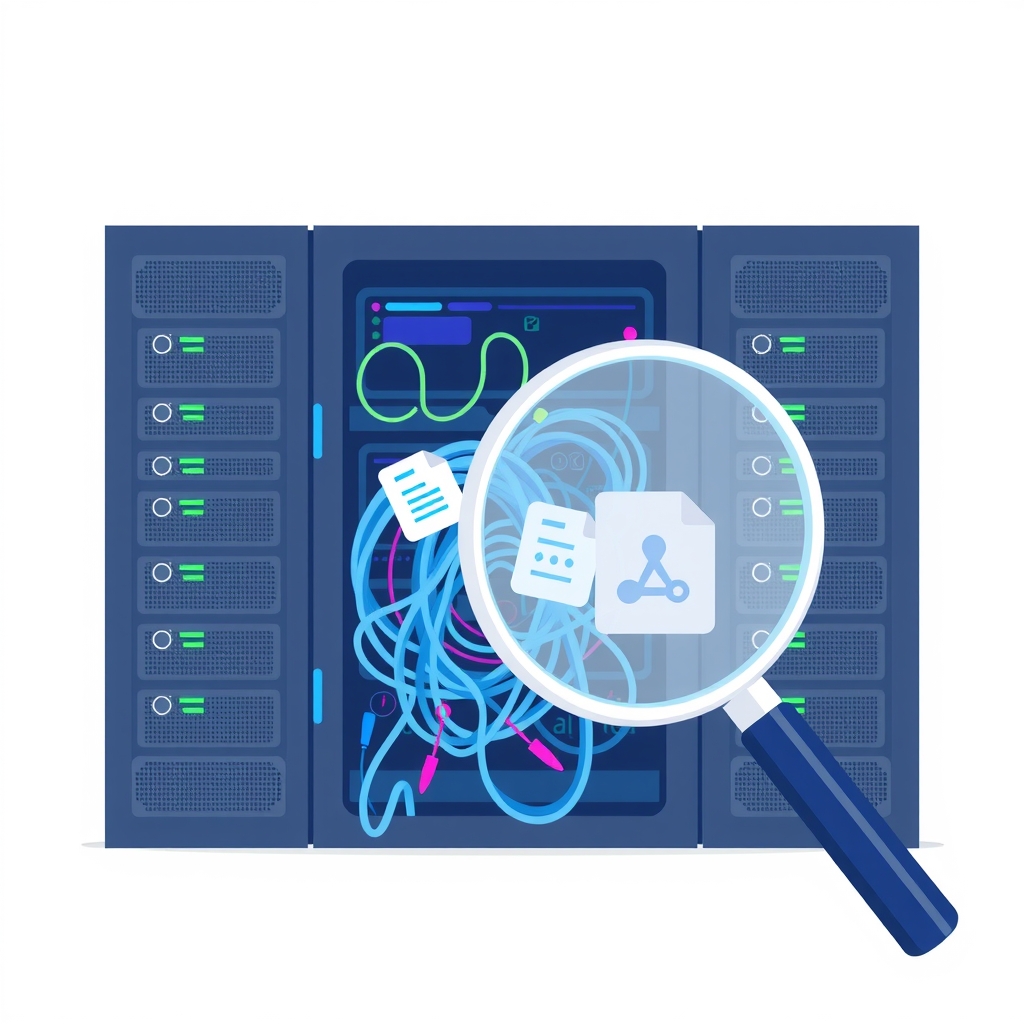
A developer shares critical lessons from managing a Docker homelab, covering image cleanup risks, unbounded log growth, and configuration persistence issues.
A daily digest on self-hosting, DevOps, security, document AI and HR tech. Each story is summarized, explains why it matters and links to the original publisher.
A developer shares critical lessons from managing a Docker homelab, covering image cleanup risks, unbounded log growth, and configuration persistence issues.
Chaos Cypher introduces an MCP server that lets Claude Code extract and validate knowledge graphs using only client-side models, removing the need for GPU-heavy local servers.
The Carbonato botnet targets unauthenticated Docker daemons to deploy Hermes AI agents, enabling automated credential theft and lateral movement via Telegram.
A new open-source tool runs 23 AI detectors locally, offering transparent scoring for text and websites without sending data to third parties.
The open-source WAIaaS project offers a Docker-based, policy-driven wallet service for AI agents with extensive test coverage and local execution.
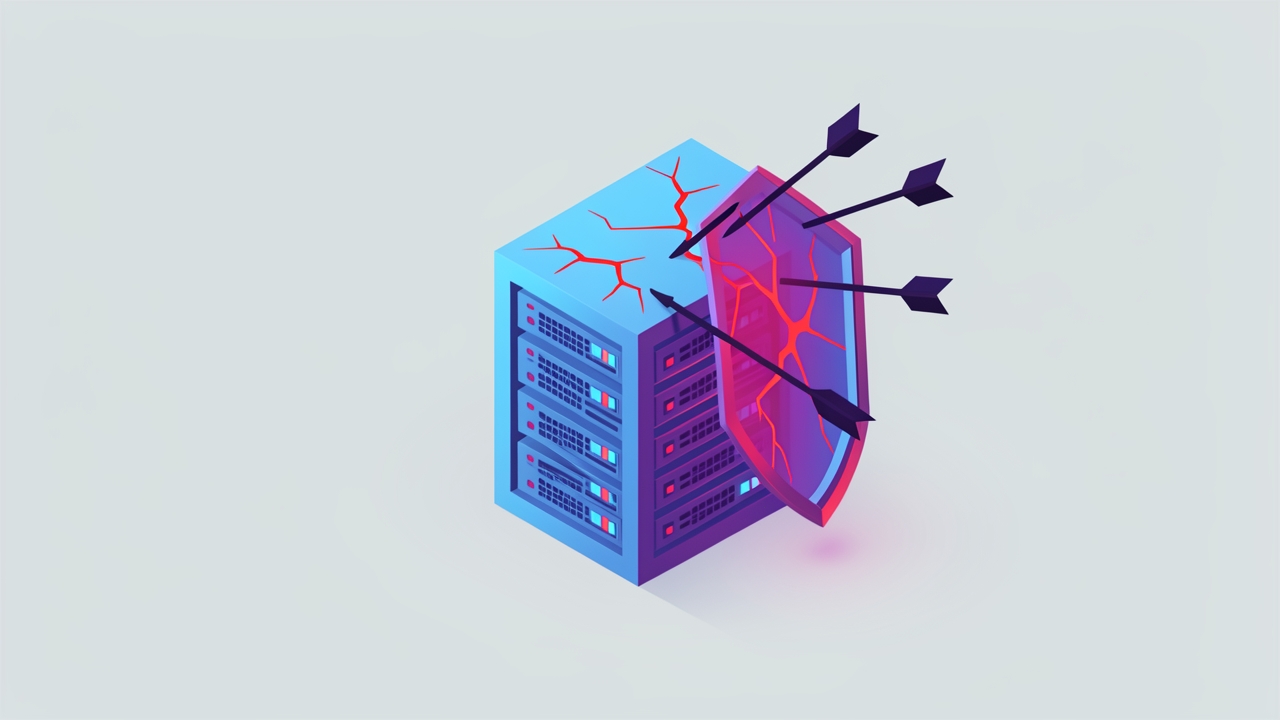
Attackers registered a common documentation placeholder to serve malware, while Citrix patches urgent flaws under active exploitation. These incidents reveal hidden risks in self-hosted infrastructure
A new tutorial demonstrates how to run a local knowledge graph using Ollama and Chaos Cypher, enabling private document analysis without cloud APIs.
A data engineer reduced token usage by 2,300 times for large spreadsheets by performing calculations on a local server instead of sending raw rows to an AI model.
Aikido Security reveals that leaked GitLab issue email addresses can be used to push code to main branches and run CI jobs, bypassing IP restrictions and two-factor authentication.
CISA added two critical vulnerabilities in WSO2 and Adobe Commerce to its Known Exploited Vulnerabilities catalog due to active attacks.
GitHub user khsarvar released Sifthound, an open-source alternative to Tavily that runs on your own infrastructure using SearXNG and supports MCP.
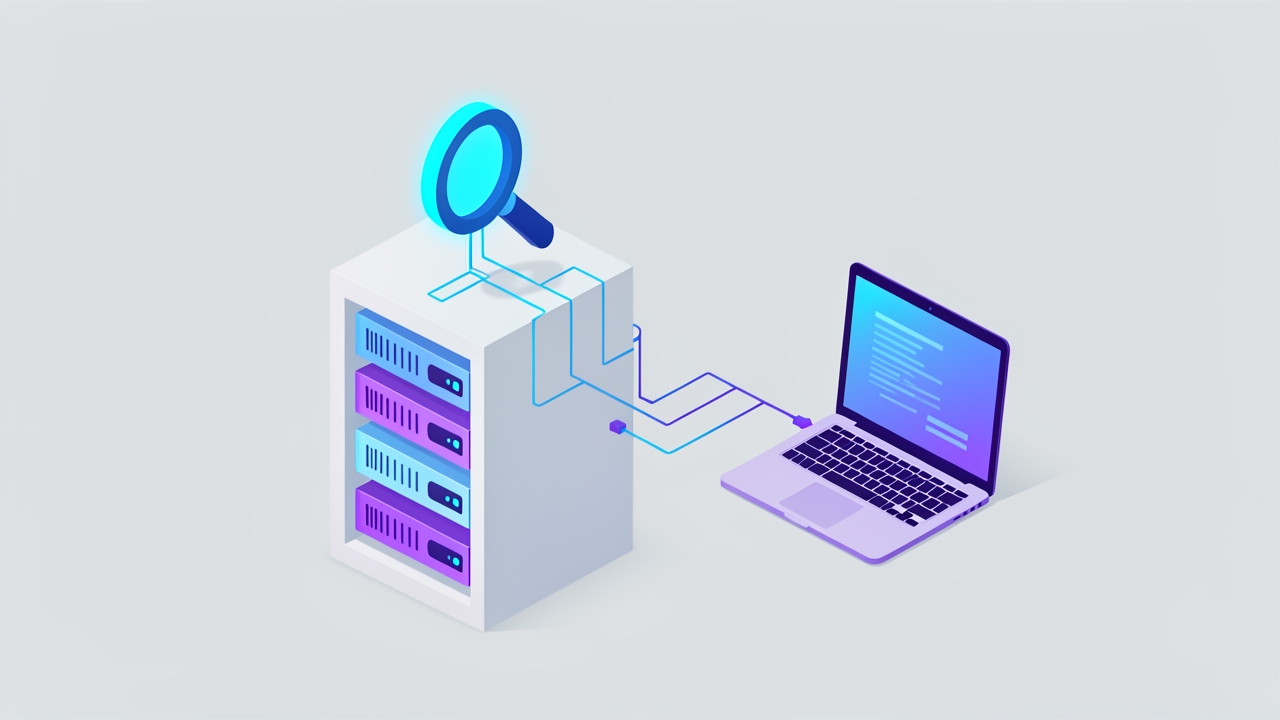
Pingularity is a new self-hosted tool that tracks internet uptime, latency, and scheduled speed tests to help users diagnose connectivity issues.
The Canadian Centre for Cyber Security warns that CVE-2026-48842, a pre-authentication SQL injection in Roundcube Webmail, is being actively exploited by attackers.
Vindle reduced processing time for 27 GB of product data by moving CSV filtering from PHP to a custom Rust tool, eliminating redundant parsing passes.