Debugging a self-hosted LLM performance regression on legacy hardware
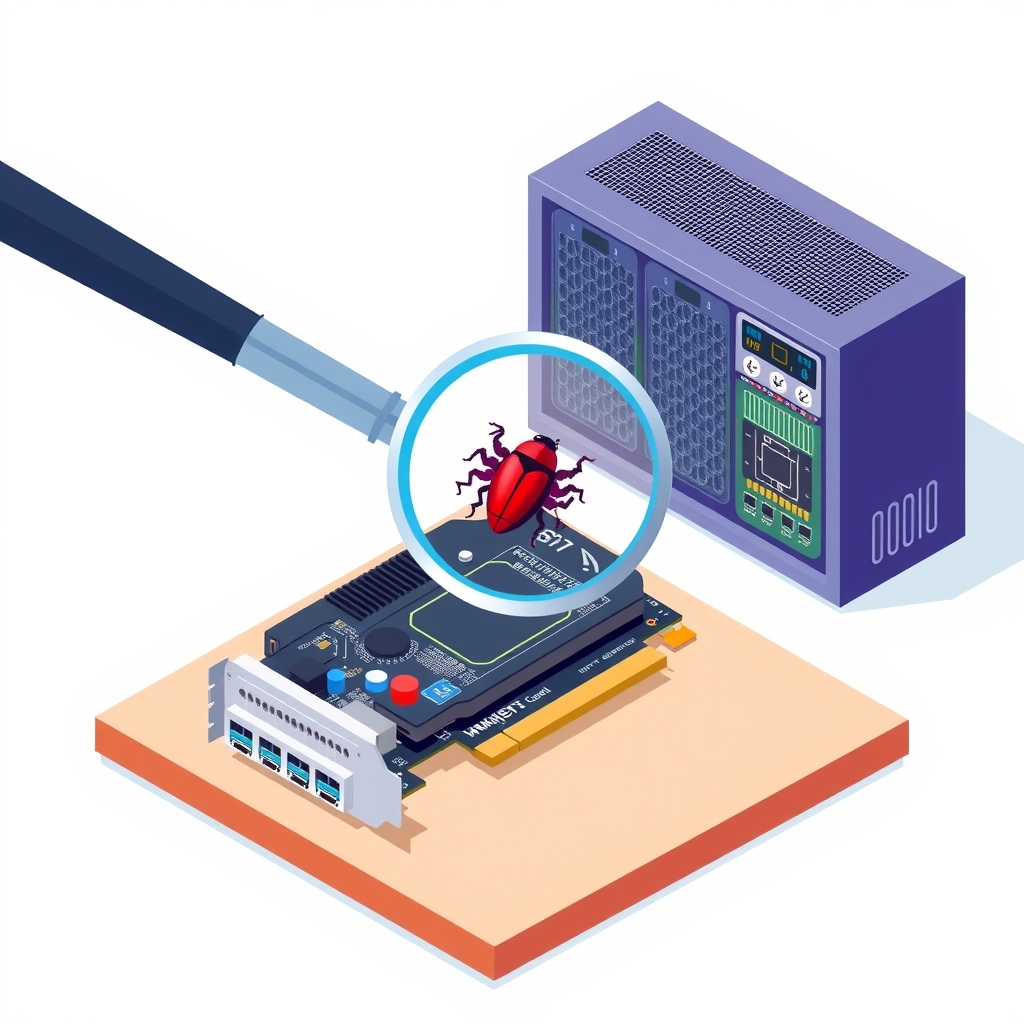
A developer diagnosed a severe slowdown in a 125B parameter model running on two Tesla P40 GPUs, tracing the issue to a single code change in the inference engine.
A daily digest on self-hosting, DevOps, security, document AI and HR tech. Each story is summarized, explains why it matters and links to the original publisher.
A developer diagnosed a severe slowdown in a 125B parameter model running on two Tesla P40 GPUs, tracing the issue to a single code change in the inference engine.
Security researchers discovered that eight eMudhra intermediate certificate authority keys were generated with single-byte values, allowing instant recovery and forcing major browser vendors to revoke
GitLab released emergency fixes for CVE-2026-110264, a maximum-severity vulnerability allowing unauthenticated remote code execution in self-managed instances dating back to version 7.0.
Researchers published a proof-of-concept for CVE-2026-106173, a critical unauthenticated RCE vulnerability in FortiSIEM that allows attackers to overwrite system files via gRPC.
Attackers exploited internet-facing Danfoss controllers to overheat fridges in hundreds of French stores, causing fires and food spoilage.
A developer shares practical strategies for handling failed automated runs, emphasizing cheap snapshots, idempotency, and intent-based logging to reduce recovery time.
Private keys for eight eMudhra intermediate certificates were recoverable from public data, forcing major browsers to block them.
A bug in llama.cpp build b11753 causes the /v1/responses endpoint to mark cut-off replies and invalid tool calls as completed, risking data corruption in self-hosted AI agents.
Mozilla and Google confirmed the compromise of eight eMudhra intermediate CA private keys on October 20, forcing emergency revocations across major browsers and software runtimes.
Cloudflare mitigated a security incident involving compromised private keys for eight eMudhra intermediate certificates, urging customers to update clients and review trust stores.
A developer shares how Browser Integrity Checks and tunnel failures caused API outages, offering diagnostic steps for self-hosters.
A fraudulent Web3 venture firm distributed malicious npm packages that install stealers on Windows and macOS while redirecting AI agent traffic to attacker-controlled servers.
An October 2026 audit reveals that over a quarter of the web's most-linked domains lack enforced DMARC policies, leaving them open to impersonation.
Dennison Bertram details four server-side limits in agentic-hosting that prevent AI agents from causing duplicate resources, crash loops, disk exhaustion, and rate limit abuse.
The GhostAction group now uses phishing and disguised font files to steal credentials from 94 GitHub repositories, bypassing platform security controls.