Atlassian zero-day exploited within hours as certificate hijacks hit major brands
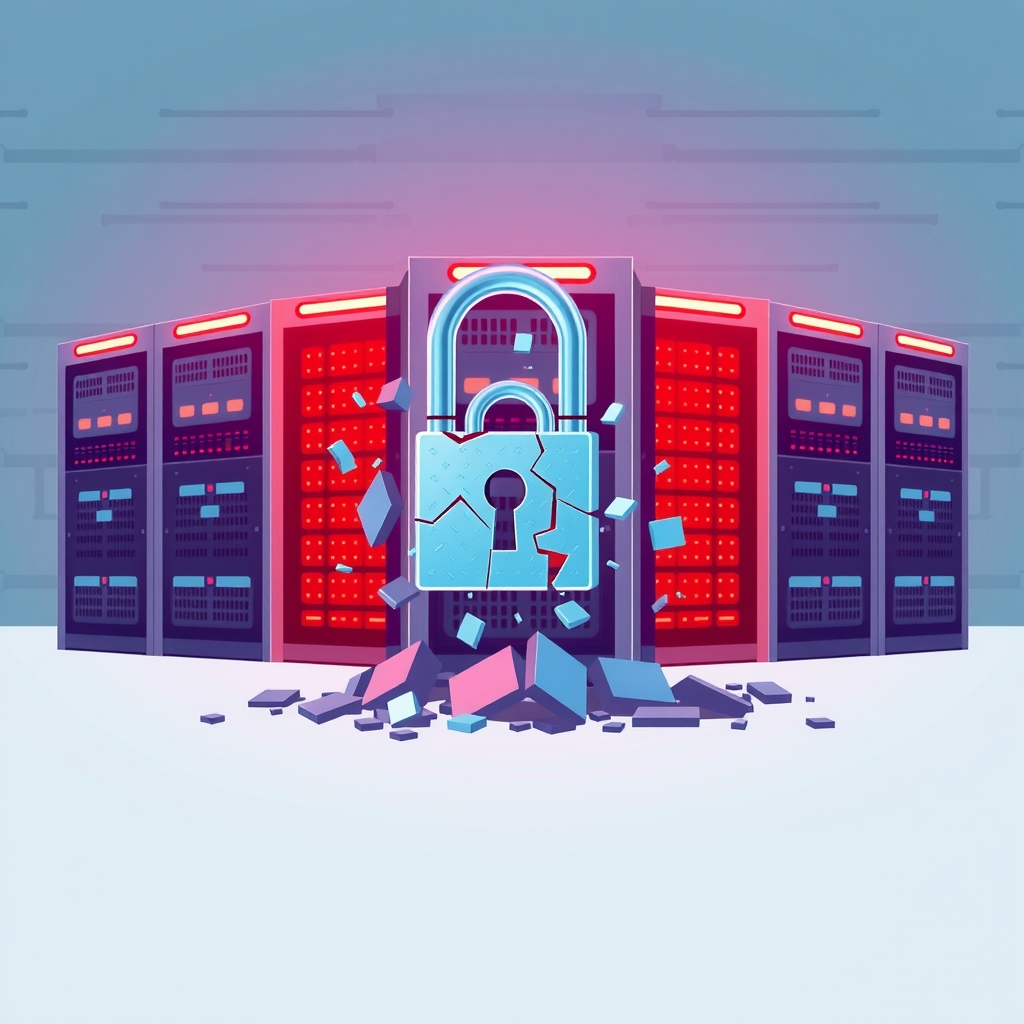
Attackers targeted a critical Atlassian flaw just two hours after disclosure, while rogue HTTPS certificates compromised trust for Google and other global services.
A daily digest on self-hosting, DevOps, security, document AI and HR tech. Each story is summarized, explains why it matters and links to the original publisher.
Attackers targeted a critical Atlassian flaw just two hours after disclosure, while rogue HTTPS certificates compromised trust for Google and other global services.
A 2026 update to the Cryptographic Right Answers guide sets a 2029 deadline for post-quantum transitions, recommending ML-KEM and ML-DSA algorithms.
Cloudflare has made its Transformers feature generally available for all self-serve plans, allowing users to filter, reshape, and redact logs using SQL before export.
Ollama lacks native API keys, leaving exposed servers vulnerable to data leaks. Learn five methods to secure your local LLM infrastructure for team use.
A new evaluation pattern separates transport failures and token limits from actual model mistakes to prevent misleading quality metrics.
GitHub project OpenClear offers a self-hosted positive pay system with multi-bank support, featuring secure bulk imports for checks, ACH, and accounts.
GitHub Actions withholds secrets from fork pull requests by design. Learn safe patterns like workflow_run to handle credentials without compromising security.
A new open-source project automates the setup of a private Matrix server with an integrated AI assistant, requiring only Docker and a domain name.
BerriAI has open-sourced LiteReview, a tool that lets teams host their own AI agents to review GitHub pull requests in isolated sandboxes.
A developer details a setup using OpenMediaVault, FileBrowser Quantum, and Cloudflare Tunnels to share terabytes of video footage without cloud storage subscriptions.
A developer found that atomic JSON writes did not prevent duplicate API calls in a Python pipeline, requiring a shift to pre-call reservation and locking.
The DuckDB 2.0 alpha introduces async I/O for cloud storage, optimized recursive CTEs, and a new VARIANT data type that shreds JSON for better performance.
A small IT firm's use of '123456' as a password allowed unauthorized access to Denmark's civil registry for 21 days, exposing data on 8.8 million people.
A new self-hosted application called Tutor converts EPUB and PDF files into interactive study plans using large language models.
A new guide outlines four specific monitoring signals for small teams, distinguishing between external uptime checks and internal job heartbeats to reduce alert noise.