Most self-hosted AI apps run on CPU, new data shows
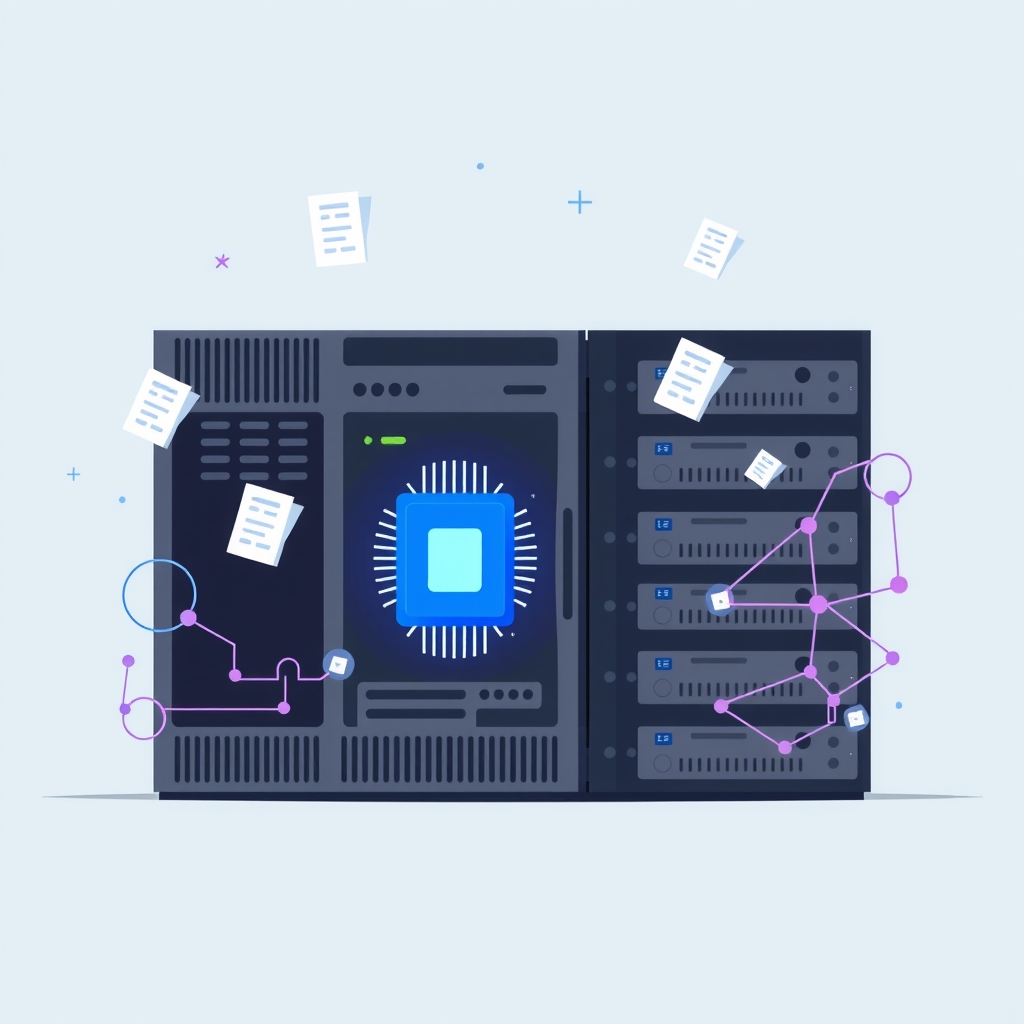
A review of 161 open-source AI projects reveals that 113 do not require a GPU, changing how teams plan infrastructure.
A daily digest on self-hosting, DevOps, security, document AI and HR tech. Each story is summarized, explains why it matters and links to the original publisher.
A review of 161 open-source AI projects reveals that 113 do not require a GPU, changing how teams plan infrastructure.
Attackers compromised high-profile maintainer accounts to push malicious GitHub Actions that exfiltrate secrets from repositories and git history.
Researchers released a working exploit for a critical heap buffer overflow in AnyDesk Linux that grants root access without user approval. The vendor patched the issue in June but provided minimal sec
An analysis of 398 community reports reveals that most n8n failures stem from configuration, self-hosting issues, or webhook mismanagement rather than software bugs.
A security analysis reveals that AI coding agents borrowing human credentials gain excessive access and leave no distinct audit trail, creating significant risks for self-hosted infrastructure.
A new self-hosted dashboard aggregates network recon, vulnerability scanning, and reporting tools for solo analysts without requiring cloud accounts.
New guidance suggests using timestamped kill flags and plain-language alerts to reduce alert fatigue and prevent permanent system lockouts during provider outages.
TinySuiteHQ released TinyWebUI, a self-hosted chat workspace that runs locally with SQLite storage and includes pre-configured search and memory tools.
Malicious version 0.5.144 of the Tensorlake SDK was published to npm, delivering a credential-stealing worm that targets AI infrastructure and cloud secrets.
A practical deployment test of Uptime Kuma v2 reveals low RAM usage, SQLite benefits for small setups, and common monitoring pitfalls.
GitHub user sergiors released Relay, an open-source runtime that manages serverless functions, cron schedules, and persistent services on infrastructure you control.
OpenSSH 10.6 disables LZ77 compression and blocks special characters in command-line usernames to fix security flaws found by AI-assisted research.
Google’s Docsy documentation theme joins the Linux Foundation, adding features like llms.txt to help AI agents consume technical content more effectively.
A tested guide details how to self-host n8n behind Nginx on Ubuntu, addressing common proxy pitfalls like WebSocket support and correct header forwarding.
A developer’s weekly AI report stayed healthy while missing most new data because the monitoring only checked the old tool, not the new one.